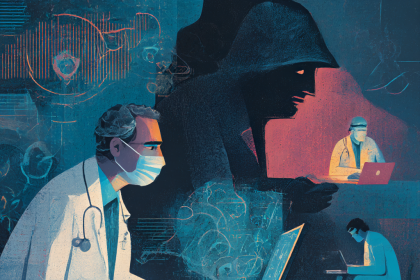

A newly surfaced video from threat intelligence firm Flare reveals how North Korean operatives are using sophisticated techniques to pass remote job interviews. These threat actors deploy stolen or synthetic identities, combined with live deepfake technology, to impersonate legitimate candidates. The goal is not just to gain employment but to infiltrate companies for espionage, data theft, or ransomware access. Once hired, these operatives can trigger supply chain breaches or exfiltrate intellectual property over extended periods.
The Threat
Interviewers are urged to look for subtle anomalies: unnatural facial movements, audio lag, or refusal to turn on the camera after hiring. Flare also recommends verifying identity documents against known fraud databases and using liveness detection software during video calls. Organizations should treat every hire, especially for remote IT roles, as a potential security risk and implement layered identity checks beyond traditional background screenings. This incident has no specific CVE assignment as it describes a social engineering campaign rather than a software vulnerability.
Red Flags
Companies that rely solely on resume verification or standard reference checks are especially vulnerable. Flare advises adopting continuous identity monitoring and cross referencing candidate data with threat intelligence feeds. The tactic mirrors earlier campaigns where North Korean operatives posed as freelancers. As remote work normalizes, expect these attacks to become more frequent and more convincing. Security teams should consider incorporating deepfake detection tools into their hiring workflows to flag anomalies before onboarding.
Source: Hiring undercover: North Korean operatives use deepfakes to infiltrate remote jobs