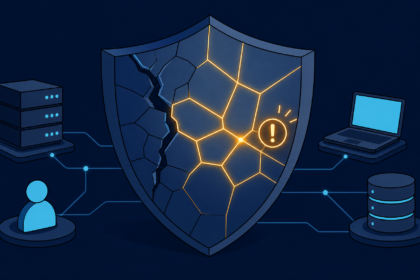

Data Breaches Fuel Targeted Fraud
India’s education sector has become a prime hunting ground for cybercriminals who are weaponizing stolen student data. Threat actors are moving beyond generic spam to launch highly personalized phishing and social engineering attacks that exploit the massive digital footprint of students, parents, and academic institutions. The shift to online learning and administrative platforms has created a treasure trove of sensitive information that is now being traded openly on cybercrime forums.
Researchers at CYFIRMA documented a clear escalation in data driven fraud across the country’s education ecosystem. On criminal marketplaces, they found databases allegedly containing over 12 million records from a school search platform, roughly 682,000 student records from an educational services provider, and more than 46,000 records linked to a major Indian university. These datasets typically include names, dates of birth, enrollment details, payment histories, parent contact information, and sometimes even profile photos and signatures.
How the Attack Chain Works
Armed with verified personal details, attackers craft messages that appear completely legitimate. Students waiting for admission results, scholarship decisions, or internship offers are especially vulnerable to these tailored scams. The attack chain follows a predictable pattern where criminals use stolen data to establish trust before requesting additional sensitive information or direct payments.
The sheer volume of compromised data means that even if some advertised databases contain incomplete or outdated records, the risk remains severe. Students and their families may receive calls or emails that correctly reference specific courses, application dates, or financial aid details, making it nearly impossible to distinguish the fraudulent communication from a genuine institutional message. Academic organizations are urged to strengthen their data security practices, implement multi factor authentication, and educate their communities about these evolving threats.
Source: Cyber Security News