
By using this site, you agree to the Privacy Policy and Terms of Use.
Accept
Threatwire
Search
  • Home
  • News & Alerts
  • Articles
  • Features
  • Spotlight
  • About
    • Mission
    • Services
    • Contact
  • Newsletter
  • Shop
    • All Items
    • By Category
      • Drinkware
      • T-Shirts
    • Cart
Reading: MacOS Systems at Risk From Metadata Processing Flaw in Popular Tool
0

No products in the cart.

  • AI
  • Android
  • Authentication
  • Breaches
  • CASB
  • Compliance
  • Cryptography
  • Cyberinsurance
  • EDR
  • IAM
  • Malware
  • Phishing
  • Quantum
  • Ransomware
  • SecOps
  • SIEM
  • SOC
  • Threat Intelligence
  • Vulnerabilities
  • Zero Trust
ThreatwireThreatwire
Font ResizerAa
  • Home
  • News & Alerts
  • Articles
  • Features
  • Spotlight
  • About
  • Newsletter
  • Shop
Search
  • Home
  • News & Alerts
  • Articles
  • Features
  • Spotlight
  • About
    • Mission
    • Services
    • Contact
  • Newsletter
  • Shop
    • All Items
    • By Category
    • Cart
Follow US
  • About Threatwire
  • Services
  • Contact
  • Privacy
  • Legal
©2026 CybersecurityBeat. All Rights Reserved.
News & Alerts

MacOS Systems at Risk From Metadata Processing Flaw in Popular Tool

Attackers can execute commands on macOS by hiding malicious code in image metadata through a two-step copying technique that bypasses built-in filters.

CSBadmin
Last updated: May 20, 2026 11:02 pm
CSBadmin
2 Min Read
Share
SHARE

How the Attack Works

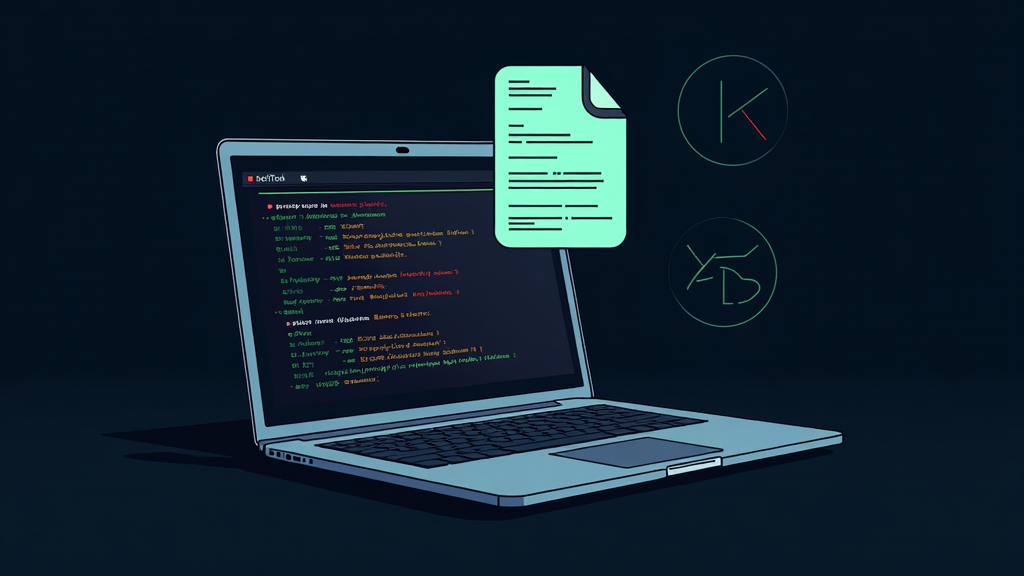
A critical security flaw in ExifTool, a widely used open-source utility for reading and editing file metadata, puts macOS users at risk. Discovered by Kaspersky’s research team, the vulnerability allows attackers to execute arbitrary shell commands by embedding malicious instructions within an image file’s metadata. The issue lies in how ExifTool processes file creation dates on macOS. When the tool handles certain metadata tags related to file creation dates, it passes user-supplied data directly to a system command without proper sanitization. This allows an attacker to break out of the intended command structure by injecting special characters like single quotes.

Contents
How the Attack WorksExploitation and Impact

Exploitation and Impact

To exploit the flaw, attackers must bypass a built-in filter that rejects malformed date values. They do this by using a command line flag that forces ExifTool to accept raw, unformatted machine-readable data. The actual exploitation involves a two-step process. First, the attacker injects a malicious payload into a source metadata tag, such as the date and time the image was originally created. Then, they use ExifTool’s metadata copying feature to move that tainted data into the file creation date field. During this copy operation, the unsanitized data reaches the vulnerable code path and triggers execution of the attacker’s commands. A single malicious image opened with ExifTool can silently deploy Trojans, steal data, or give attackers a foothold to move across a network.

Source: Cyber Security News

CSBadmin

The latest in cybersecurity news and updates.

TAGGED:ExifToolFile ParsingImage Metadata
Share This Article
Facebook Print
ByCSBadmin
Follow:
The latest in cybersecurity news and updates.
Previous Article Two-Decade-Old PostgresSQL Flaw Now Targeted by Public Exploit Code
Next Article Deceptive Go Package Hides DNS Backdoor for Years in Supply Chain Attack

Trending

Crooks hide a ClickFix lure inside a ChatGPT Custom GPT
October 5, 2026
Attackers stack two remote-access tools to keep a foothold on Windows
October 5, 2026
MI5 tells UK universities a research funder answers to Beijing
October 5, 2026
A teenager and his AI bot cracked Microsoft's Titan analytics service
A teenager and his AI bot cracked Microsoft’s Titan analytics service
October 5, 2026
MetaMask pulls Ethereum validators while it probes an infrastructure breach
October 5, 2026

Related Stories

CSBadmin

Legacy Sitecore Flaw Exploited to Deliver WeepSteel Reconnaissance Malware

CSBadmin

One click on a crafted link can seize an Elementor site

CSBadmin

AI coding assistants let researchers walk right past safety filters

CSBadmin

FBI Warns of Surge in Hacker-Enabled Cargo Theft

logo-twfull
  • About Threatwire
  • Services
  • Contact
  • Privacy
  • Legal

© 2026 Threatwire / Cybersecurity Beat. All rights reserved.