
How the Malware Operated
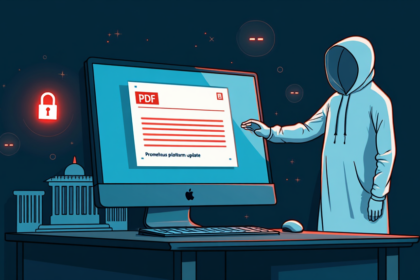
Security researchers uncovered a malicious package on the npm registry that was designed to steal files from unsuspecting developers. The package, which disguised itself as a legitimate internal deployment tool, contained code that silently scanned a specific directory on the victim’s machine and uploaded all discovered files to a remote GitHub repository. The malware reached 676 downloads before its malicious nature was identified.
Accidental Exposure of the Attacker
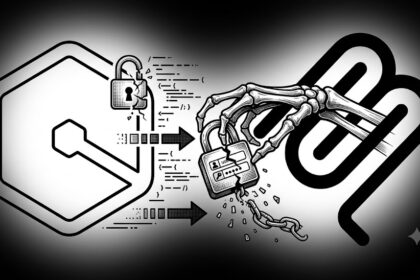
The most critical mistake in this operation was the inclusion of a hardcoded private GitHub token belonging to the threat actor within the malware code itself. This token allowed researchers to monitor exfiltration activities in real time. Analysis revealed about seven active exfiltration events, most of which appeared to be the attacker testing their own creation. The attacker’s GitHub account was created only hours before the malicious package upload and was deleted shortly after discovery.
Implications for AI Generated Threats
This incident highlights a growing trend of attackers using AI tools to generate malicious code without fully understanding the technical details of their creations. The sloppy implementation and obvious mistakes suggest the attacker was not a sophisticated cybercriminal but rather someone leveraging AI capabilities. This case provides security researchers with valuable insight into the operational patterns and weaknesses of AI generated malware campaigns.
Source: Cyber Security News