
How Container Breaches Begin
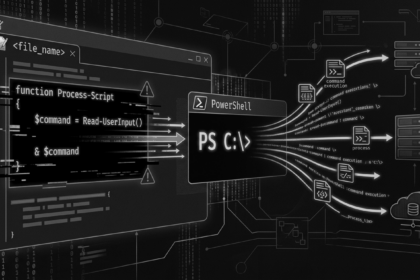
Attackers are actively targeting Docker and Kubernetes environments that have been left with insecure default settings or careless configurations. Security researchers have documented a sharp rise in incidents where compromised containers serve as the entry point for full host system takeovers. The threat is not limited to theoretical exploits, as real world attacks now involve multi-stage operations that move from container compromise to broader infrastructure control.
These attacks often start with easily found weak points. Containers frequently hold valuable data like API keys, SSH credentials, and Kubernetes ServiceAccount tokens. Attackers do not need sophisticated kernel exploits when basic configuration flaws provide a direct path to sensitive assets.
Key Exploitation Vectors
The most severe risk comes from the privileged flag. Containers running in privileged mode gain all Linux capabilities and direct host device access, essentially granting root level control over the underlying machine. Researchers observed attackers using the nsenter utility to escape these containers and move freely on host systems.
Other escape paths involve specific Linux capabilities like CAP_SYS_ADMIN. When assigned carelessly, these capabilities allow attackers to break container boundaries without needing complex exploits. One documented attack chain involved the APT group TeamPCP compromising a Docker Hub repository to steal Kubernetes secrets through a poisoned container image.
Source: Cyber Security News