
Phishing Emails Trigger Layered Infection
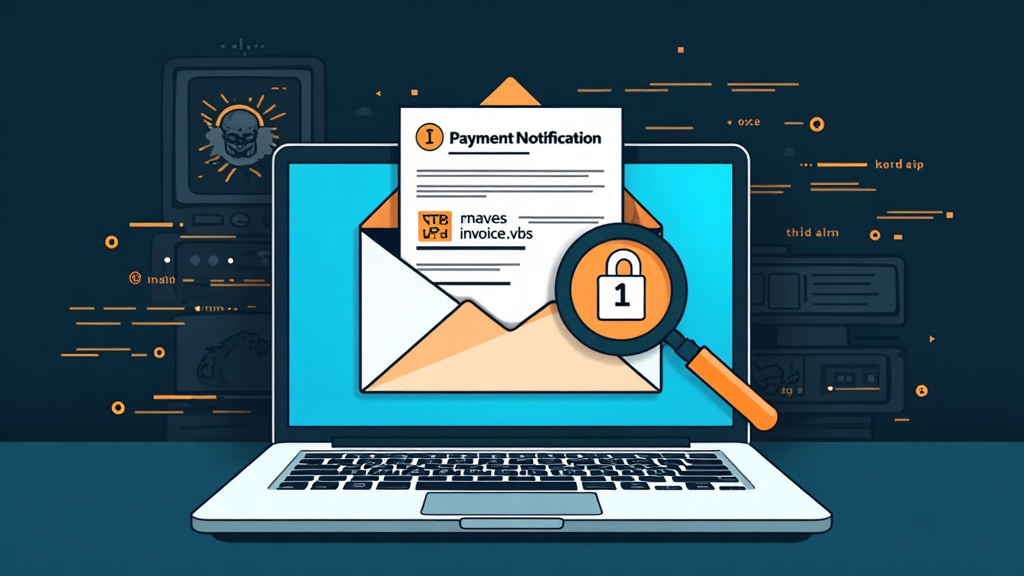
Hackers are actively spreading a dangerous malware strain called VIP Keylogger through phishing emails disguised as routine business documents such as bank payment notifications, procurement orders, and logistics updates. The campaign has persisted for months, relying heavily on social engineering to trick recipients into opening malicious attachments. According to researchers from the Splunk Threat Research Team, the malware uses a multi staged infection process designed to evade detection at every step.
The initial attack vector involves three types of script files: Visual Basic Script, JavaScript, or batch scripts. These loaders are heavily obfuscated using junk code padding, hex encoding, and AES-encrypted PowerShell stagers to bypass security scans. Once the victim opens the file, the infection chain ultimately embeds the keylogger deep into a legitimate Windows process, making it difficult to identify and remove.
Resilience and Prevalence of VIP Keylogger
VIP Keylogger belongs to a growing category of information stealing malware that has dominated the threat landscape. Its operators have shown no signs of slowing down, and the malware is built to harvest sensitive data quickly while maintaining persistence on infected systems. The Splunk team analyzed over 200 VIP script loader samples captured between March and April 2026, sourced from VirusTotal, to study the file naming conventions and delivery methods used by attackers.
What makes VIP Keylogger particularly dangerous is its layered approach to evasion. The malware can act alone to steal credentials and other data, or it can serve as a gateway for more damaging follow on attacks. By disguising itself within normal business communications and hiding its execution chain, the malware has become a persistent threat to Windows users worldwide.
Source: Cyber Security News