
New Attack Vectors for AI Systems
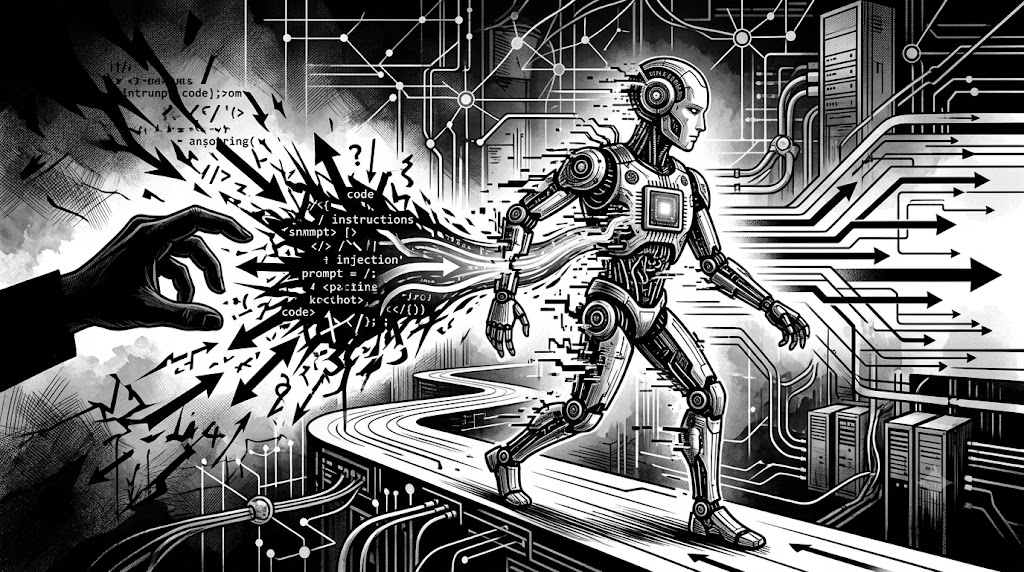
CrowdStrike has identified five advanced prompt injection techniques that pose a growing risk to autonomous AI agents. As organizations deploy AI systems capable of browsing the web, accessing internal data, and executing commands, attackers are embedding malicious instructions within the data these agents consume. This allows for indirect hijacking of system behavior without obvious signs of compromise.
The research expands CrowdStrike’s prompt injection taxonomy with 18 new techniques, bringing the total documented methods to over 200. These developments signal a shift from simple chatbot manipulation toward more sophisticated, layered attacks that exploit hidden context and delayed execution.
Key Techniques and Implications
Among the highlighted methods, Trigger-Activated Rule Addition plants dormant instructions that activate only when specific conditions are met, bypassing initial security reviews. Cognitive Token Suppression restricts an AI model’s ability to generate safe responses by limiting its use of refusal language. Algorithmic Payload Decomposition breaks malicious instructions into seemingly harmless fragments that are later reconstructed into a complete command.
Special Token Injection mimics internal formatting elements like tool calls to blur the line between trusted and untrusted inputs. Unwitting User Delivery uses social engineering to trick legitimate users into entering malicious prompts themselves, often through deceptive content like viral posts or hidden instructions in media. CrowdStrike recommends that organizations expand threat modeling to cover all data sources and implement detection strategies that account for multi-stage attack chains combining several techniques.
Source: Cyber Security News