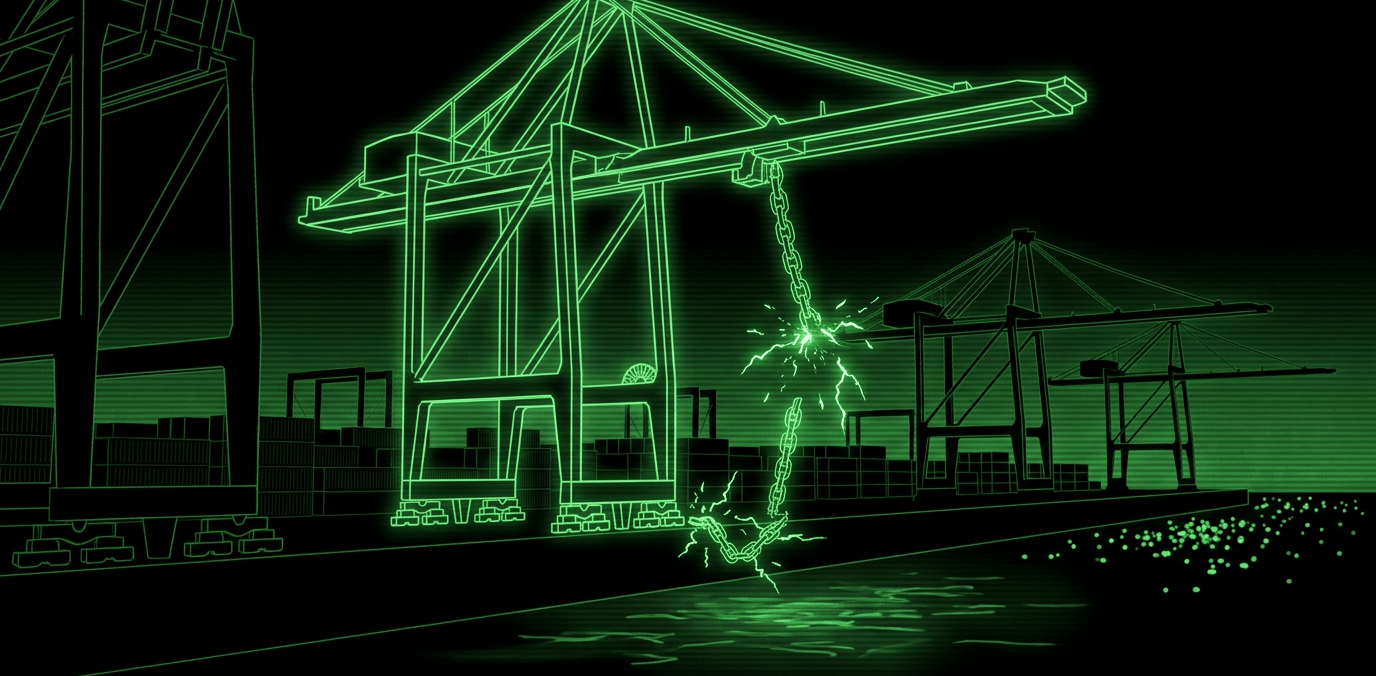

A cyberattack disrupted gate operations across North Carolina’s three port facilities this week, sending the state ports authority into manual processing mode while it contained the intrusion.
The affected sites are the Port of Wilmington, the Port of Morehead City, and the Charlotte Inland Port. After discovering the attack, the authority activated its cybersecurity contingency plan and notified state and federal partners. The Coast Guard’s IT unit is coordinating with other agencies during the investigation.
Delayed gate openings were the visible symptom. The ports website showed a normal operating schedule by Friday morning, with the probe still running.
Details remain scarce. Officials have not said what kind of intrusion occurred, which systems were touched, or whether vessels, cargo gear, or rail links took damage, and no traffic impact figures have been released. Nobody has claimed responsibility either.
Wilmington’s role as a gateway for agricultural exports, retail goods, and raw materials means the disruption has supply-chain implications for the wider southeastern US region, not just the state.
Recent months have seen repeated strikes on US critical infrastructure, most visibly water systems that experts believe Iranian hackers are behind. No evidence connects those cases to this port outage.
Federal attention on the case signals growing concern about maritime-sector resilience. Port operators elsewhere are being watched for how they respond to a similar event.