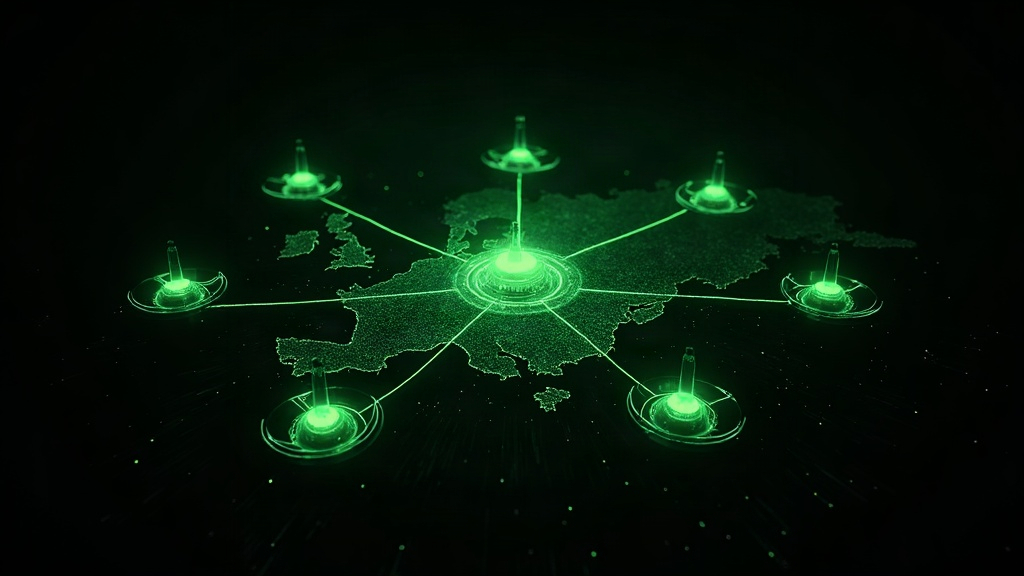

A Russian-speaking initial access broker that bolts ordinary hacking tools onto a self-hosted AI orchestration layer has been documented by researchers. Called CyberXero, it ran two campaigns side by side, and an unsecured server gave analysts a front-row seat.
Across the globe ran the noisier pipeline, pounding e-commerce platforms and WordPress sites with wp2shell, a custom tool. SQL injection, a rogue admin account and a planted webshell are all reachable through the WordPress REST API flaw it abuses. One 61-second burst swept 4,708 targets, verified 429 admin panels and dropped 32 webshells, drawn from a target list above 56,000 URLs.
The second pipeline was selective. SOCRadar researchers say the operator hand-picked Ukrainian energy and utility firms, among them the national electricity transmission operator, and data theft was confirmed at four organizations. The gravest case struck a district heating provider in Kharkiv, where a password left in a script unlocked more than 564,000 customer records.
A familiar blunder exposed the whole enterprise: a server at 46.21.250[.]135 sat as an open directory with no access controls, spilling more than 90,000 files, among them AI session logs, scripts with plaintext tokens, and victim data already stolen. Into those logs went every chosen target, every task an agent turned down, and every workaround tried.
More than 628,000 Ukrainian individuals can be confirmed as held in the actor’s possession, residents of Kharkiv among them. The primary workstation ran as many as 51 specialized Claude Code agents, assigned to exploit chaining, lateral movement and reconnaissance, plus a separate AI pentesting framework wired into a Cobalt Strike server.
Machine-speed scanning leaves almost no gap between exposure and compromise, and the actor’s own leaks did the rest.