
Inside the CypherLoc Scareware Kit
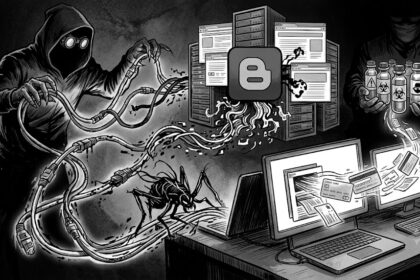
A new browser-based threat called CypherLoc is disabling victim browsers and coercing them into calling fraudulent Microsoft support lines. Security researchers at Barracuda Research have linked the kit to an estimated 2.8 million attacks since early 2026, making it one of the most aggressive scareware campaigns observed this year. Unlike traditional malware that requires file downloads, CypherLoc operates entirely within the browser, starting with a phishing email that directs users to a malicious web page.
The attack unfolds gradually. The landing page initially appears benign, but over time it transforms into a full screen scareware environment designed to panic users. The kit employs advanced evasion techniques, hiding its encrypted payload within page code and activating only under specific conditions. If those conditions aren’t met, the page redirects to a blank screen, thwarting automated scanners and sandbox analysis tools.
Impact and Scope of the Attacks
Once CypherLoc decrypts and activates, it takes aggressive control of the browser. It switches to full screen, disables right-click menus, hides the cursor, and covers the entire display with overlays. Every user attempt to escape triggers an immediate relock, creating a powerful sense of entrapment. The kit adds audio pressure by playing warning sounds automatically on clicks or page reloads, deepening the illusion that the system is compromised.
Barracuda Research noted that CypherLoc also fights back against investigation. Opening browser developer tools triggers a flood of asset reloads and layout recalculations meant to overwhelm analysis tools and push the browser toward instability. The ultimate goal is to pressure victims into calling fraudulent technical support numbers, where scammers attempt to extract payment or sensitive information. The campaign’s scale and sophistication highlight an evolution in browser-based social engineering tactics.
Source: Cyber Security News