
Fragmented Tools Create Security Gaps
Managed service providers (MSPs) face a flood of security alerts daily, but many struggle to distinguish genuine threats from operational noise. A key reason is tool fragmentation. When endpoint, cloud, email, and network monitoring tools operate in isolation, they generate duplicate alerts, create blind spots, and leave technicians piecing together clues across multiple consoles. For example, a suspicious login in an identity tool, unusual PowerShell activity on an endpoint, and a traffic spike in a network monitor may each seem low priority alone. But together, they could indicate a credential compromise leading to lateral movement. Research shows 87% of intrusions now span multiple attack surfaces. Fragmented stacks not only hurt security but also create business risks for MSPs trying to grow, retain clients, and compete with larger providers.
How SIEM Brings Clarity and Speed
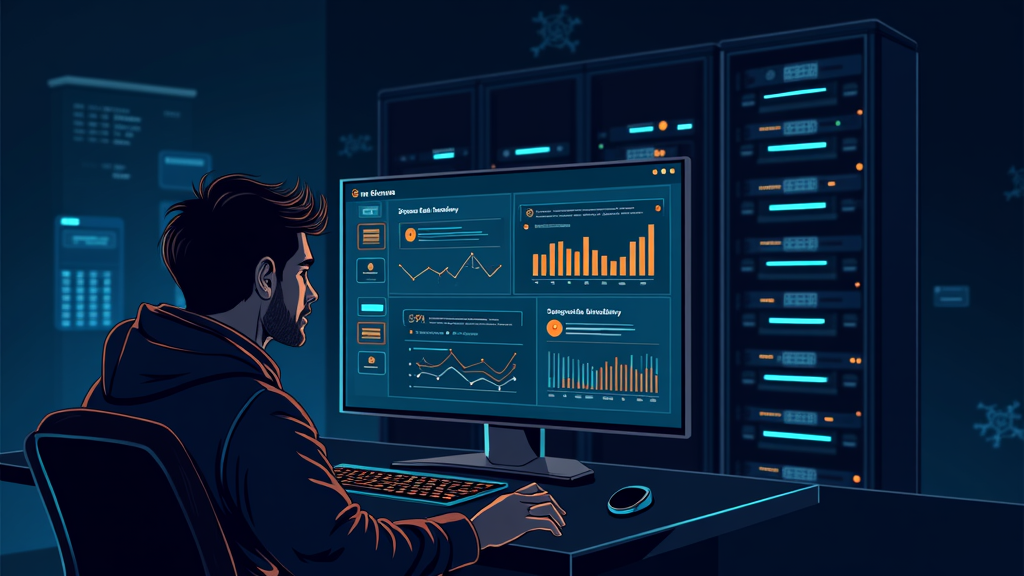
Modern SIEM platforms solve fragmentation by providing a single, centralized view of activity across the entire client environment. They automatically correlate related events into a coherent incident narrative, eliminating the need for technicians to manually jump between consoles. This reduces investigation time from hours to minutes, helping lean MSP teams act faster on real threats. Automated correlation and response also cut down on alert fatigue by filtering noise and prioritizing only incidents that demand attention. Instead of chasing disconnected alerts, analysts focus on the attack story from start to finish.
The Business Case for SIEM Grows Stronger
According to Kaseya’s 2026 State of the MSP Report, winning new clients is harder than ever, and differentiation is tough when most MSPs offer similar service stacks. Security remains a major growth opportunity, as clients increasingly care about security maturity, compliance readiness, and incident response capabilities. SIEM sits at the center of that conversation because it improves both security outcomes and operational efficiency. MSPs can demonstrate value by showing clients, through demos or reports, how many signals go uninvestigated without unified visibility. The key message should be confidence, not just coverage: answering the client’s real question, “If something happens, will you catch it?”
Source: BleepingComputer